
15:00, 12 March 2026
Words by Cheyanne Bryan, Editorial and Campaign Marketing Executive, London
Did you know there is a day all about Kidneys?
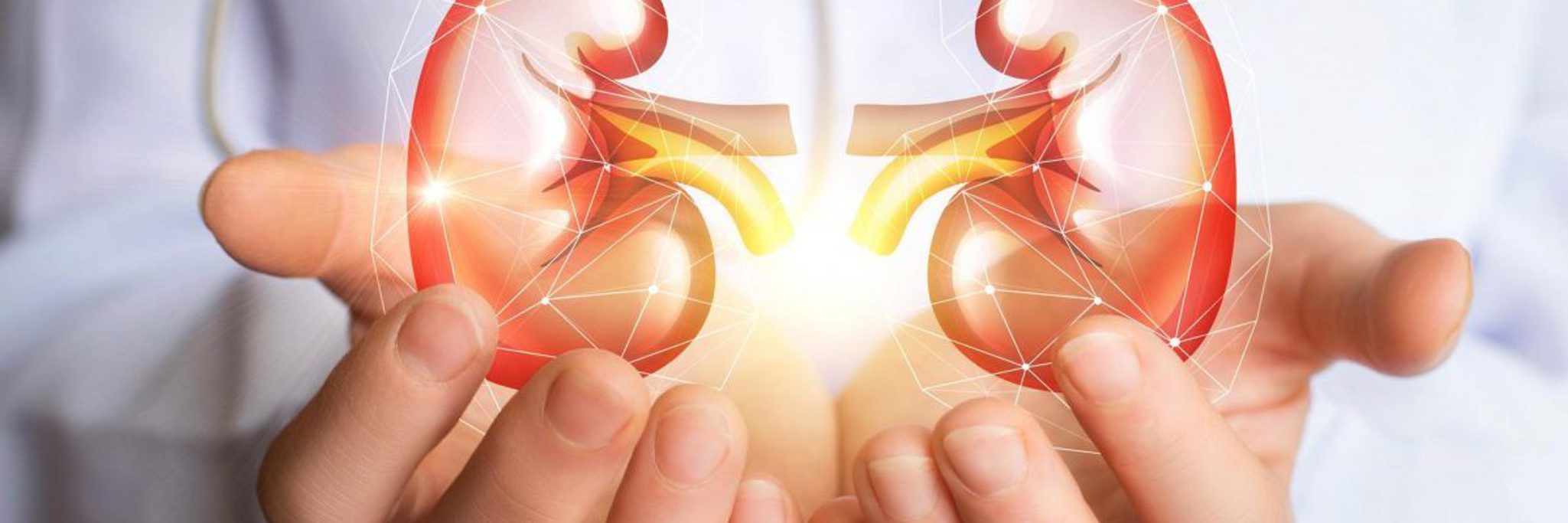
Well, that is today and World Kidney Day and it is all about celebrating these powerhouse organs, raising awareness for kidney health, and championing the lifestyle choices that keep them running.
Due to recent reports that suggest more than 1 million people in the UK are unknowingly living with chronic kidney disease (CKD), we thought this was the perfect opportunity to reach out to Kidney Care UK to investigate this issue and share what key information people need to know about the disease.
Kidney disease is often called a silent disease because it’s possible to lose a significant amount of your kidney function without experiencing symptoms.
There’s also a significant lack of awareness when it comes to kidneys and kidney disease, despite the condition affecting 1 in 10 people in the UK (more than 7 million people). Our kidneys naturally lose function as we age and in the past some healthcare professionals viewed kidney disease as just a part of getting older. But in the last decade there have been advances in medication that can slow the decline in kidney function and more people talking about kidney disease.
This is why we launched our #BloodyAmazingKidneys campaign, to help celebrate the amazing job our kidneys do in filtering our blood and keeping our organs working, but also to highlight that it is possible to lose kidney function without realising and that it’s really important to identify and diagnose kidney disease as early as possible.
It’s possible to lose up to 90% of your kidney function without even realising but in some cases there are no symptoms or signs, and in other cases the signs are easy to confuse with other things or to overlook as ‘just getting older’.
One easy way to remember the signs is to think about your KIDNEYS:
K – killer cramps
I – itchy skin
D – diet changes (food tasting different or feeling off your food)
N – nausea
E – exhaustion
Y – your wee (changes to the colour, unexpected blood in your wee, frequency and frothy wee can all be signs)
S – swelling (particularly puffiness in your face, ankles and legs)
If you experience any of these it’s worth speaking to your GP about whether they think they should check your kidney function.
The two leading causes of kidney disease are high blood pressure and diabetes.
You are also at increased risk if you have a family history of kidney disease. If you are from a Black or South Asian background this could mean an increased risk of developing kidney failure more quickly and 35% of people on the transplant list are from a Black or South Asian background.
Individuals with lower income, lower educational attainment, and those living in more deprived areas face a higher burden of kidney disease. Poverty is a significant driver, with limited access to care, nutritious food, and healthcare services all having an impact.
While you can’t always prevent kidney disease, making a few tweaks to your lifestyle can go a long way to protecting your kidney health:
- Making sure you eat lots of fruit and vegetables can help keep your blood pressure and cholesterol at a healthy level.
- Reducing the salt, sugar and processed foods in your diet. You should aim for less than 6g of salt per day, get in the habit of checking labels and not adding salt to your foods. Ultra-processed foods (UPFs) are usually high in salt, sugar, refined carbohydrates and trans fats, so try to prepare fresh food from scratch and keep UPFs for occasional treats.
- Drinking plenty of fluids helps your body’s cells to work better; it flushes out crystals that can form kidney stones and bacteria linked to urinary tract infections. Aim for between six and eight glasses per day so that your wee is a pale straw yellow colour.
- Stopping smoking also helps to reduce your risk of developing kidney disease; smokers are four times more likely to develop kidney failure than non-smokers and smoking also doubles your chances of developing kidney cancer.
- Even simple things such as not taking non-steroidal inflammatory drugs (NSAIDs) like Ibuprofen can cause damage to your kidneys if taken frequently over a long period of time.
You can find out more about other health habits to look after your kidneys here: https://kidneycareuk.org/kidney-disease-information/about-kidney-health/10-healthy-habits-for-happy-kidneys/
High blood pressure is a major risk for CKD and only one third of people with high blood pressure have kidney checks.
You can get your blood pressure checked for free at many pharmacies. If you’re worried about your kidneys the first thing to do is to complete our online Kidney Health Checker www.kidneycareuk.org/kidneyhealthchecker. It’s free and only takes a few minutes. It will help identify if you are at lower risk or increased risk of developing kidney disease. If you are identified as being at increased risk we recommend speaking to your GP to ask them to check your kidney function.
Get involved in the work of Kidney Care UK in various ways here.
At Smiley Movement, we like to elevate the work of charities across the world. Here are three charities whose causes align with the themes in this article.
Kidney Care UK. This is the UK’s leading charity ensuring no one faces chronic kidney disease alone. Through the provision of financial grants, specialist counselling, and tireless national campaigning, it empowers patients and their families to live well at every stage of their journey. Learn more here.
National Kidney Foundation. This US-based organisation is a major force in the global fight against kidney disease. From defining the standard five-stage system of diagnosis to advocating for federal healthcare coverage, it mobilises millions of patients, professionals, and volunteers to accelerate innovation and ensure equity in transplant access. Discover their work here.
The Kidney Foundation of Canada. This Canadian national charity has spent six decades transforming the landscape of care across Canada. By funding ground-breaking research and providing essential educational programmes, it works to improve early detection and enhance the quality of life for the millions of Canadians affected by kidney disease. Find out more here.
This positive news article aligns with the UN SDG Good Health and Wellbeing.
