

05:30, 03 March 2025
Words by Cheyanne Bryan, Editorial and Campaign Marketing Executive, London
As we mark World Wildlife Day, we take a closer look at the important work being done by the Wildlife Aid Foundation to protect and care for the wild animals of the UK.
Founded by the Cowell family in the 1980s, this vital charity is dedicated to looking after all of nature’s inhabitants, saving wildlife that has been harmed through human activity or environmental challenges.
We reached out to the charity to discuss their mission, the species they work with, and how we can all contribute to the protection of our natural world.
“We are dedicated to redressing the balance between man and nature,” says a spokesperson from the Wildlife Aid Foundation. “Every year, millions of wild creatures are killed, injured, or suffer trauma due to human interaction or environmental damage. Our mission is to help save these individuals through our rescue, rehabilitation, and release work, contributing to the preservation of British wildlife.”

The foundation treats a wide variety of species, with some of the most common being red foxes, hedgehogs, and pigeons. These animals face numerous challenges in an increasingly urbanised world.
Foxes, for example, often find themselves trapped in human-made hazards, from iron gates to football nets. Meanwhile, hedgehogs, beloved as the UK’s favourite wild mammal, are struggling with habitat fragmentation and road traffic accidents, which lead to their rapid decline.
“It’s estimated that between 167,000 and 335,000 hedgehogs are killed on UK roads every year,” the charity tells Smiley News.

The wildlife charity allows people to adopt a species that they look after, allowing you to contribute to the care of a particular species. When asked about species in need of adoption and support, the foundation pointed to a number of red-listed species that are in critical need of conservation efforts.
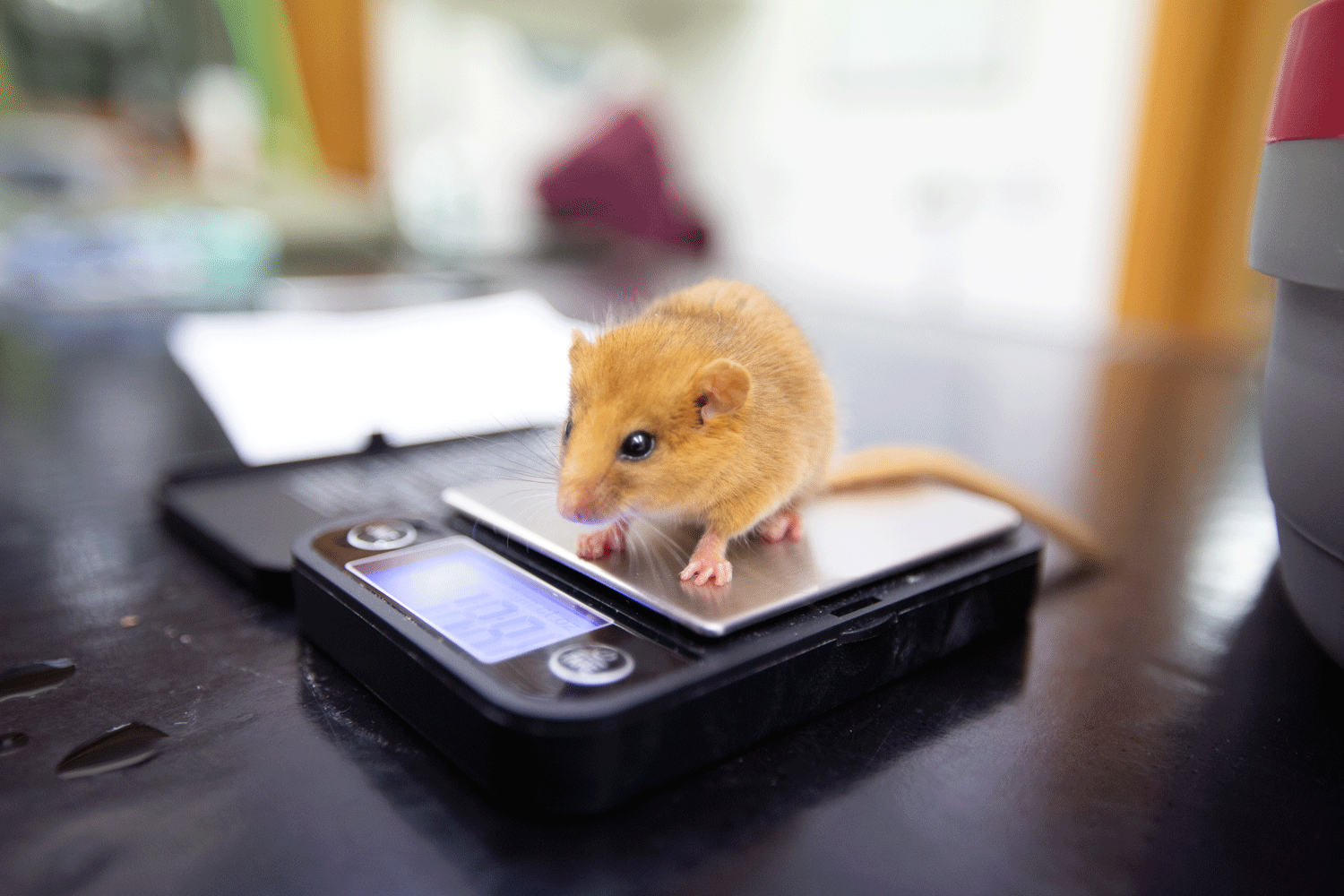
"Many of the species we care for are in decline, including hedgehogs, four species of bat, common swifts, starlings, hazel dormice, and the harvest mouse," they explained. These species face severe threats and require ongoing care and attention to ensure their survival.
The Wildlife Aid Foundation makes a note to mention that even in urban environments, we all have a duty of care to protect the “wealth of wildlife” around and collaborations with communities and other charity organisations play a pivotal role.
“Programs like the Big Garden Birdwatch by the RSPB or the Nature in Cities initiative by Earthwatch connect city dwellers with nature and raise awareness of the challenges wildlife face in built-up areas.”
Habitat fragmentation – the process of breaking up large areas of habitat into smaller, isolated areas – is a major threat to wildlife in cities. Simple solutions like creating wildlife corridors, such as small gaps in fences, can help reconnect habitats and allow species to thrive.
Even city folk without gardens can make a difference by installing nest boxes, adding wildflower window boxes, or planting native species. These small actions can have a big impact on local ecosystems.
National parks play a vital role in protecting wildlife, and it’s crucial that they are treated with the respect they deserve, according to the Wildlife Aid Foundation.
The foundation emphasised that a simple rule to follow is to: “leave these areas as you find them—treat them as if they were your own home.”
This approach ensures that the natural integrity of these habitats is preserved, which is essential for the countless species that rely on them.

The charity also highlighted the importance of volunteering at local national parks, saying that "educating visitors and helping to maintain the park’s natural spaces can make a significant difference."
Simple actions, such as picking up litter and being mindful of the environment, can have a big impact on preserving these protected areas for wildlife.
As part of their ongoing efforts, the Wildlife Aid Foundation is currently running their Winter Wildlife Appeal, which provides crucial support to injured or orphaned animals during the colder months. Winter poses particular challenges for many species, and the foundation’s appeal aims to raise the funds needed to care for these animals and help them through this difficult season. You can learn more about how to support the campaign on their JustGiving page here.
In addition to the previously mentioned appeal and their regular wildlife rescue and rehabilitation work, the Wildlife Aid Foundation is in the midst of plans to refurbish their hospital site. These much-needed upgrades will allow them to provide even better care to the animals that come through their doors.
The refurbishment is being funded through the Simon’s Last Wish Appeal, which is named in memory of Simon Cowell, one of the foundation’s founders. You can support this vital project by donating via the JustGiving page here.
At Smiley Movement, we like to elevate the work of charities across the world. Here are three charities whose causes align with the themes in this article.
Wildlife Aid Foundation. This charity is dedicated to rescuing, rehabilitating, and releasing injured and orphaned wildlife across the UK. Find out more.
RSPB (Royal Society for the Protection of Birds). This is a charity dedicated to protecting birds and wildlife in the UK. They work on habitat restoration, species conservation, and advocating for policies that protect the natural environment. Learn more here.
The Bat Conservation Trust. This charitable organisation is focused on conserving the UK’s bat population. Through research, advocacy, and habitat protection, they aim to ensure the survival of bat species, which are vital to the health of ecosystems. Support them here.


